
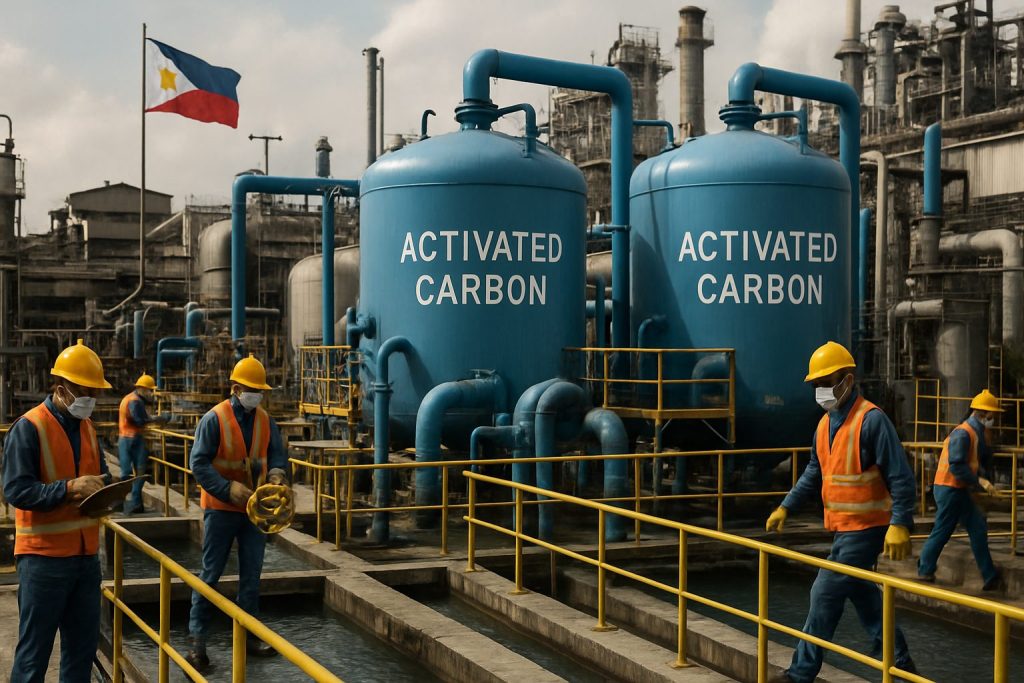
Influenza outbreaks present multifaceted challenges across various sectors in the Philippines, including the critical domain of water treatment. Amidst a recent wave of influenza cases, industrial and commercial facilities must safeguard their water systems to ensure the health and safety of employees and surrounding communities. Here, we explore how activated carbon for water treatment plays a vital role in mitigating the impact of such health emergencies on water quality and availability.
The Role of Activated Carbon for Water Treatment
Activated carbon is an essential component in many water treatment processes. It is renowned for its ability to efficiently remove impurities, including volatile organic compounds, disinfectant byproducts, and natural organic matter. This makes it a versatile tool in the arsenal against water contamination, particularly during health crises like an influenza outbreak.
How Influenza Outbreaks Affect Water Treatment
During influenza outbreaks, the demand for clean and safe water in industrial settings increases significantly. This is due to heightened hygiene practices, such as increased hand-washing and sanitation measures, which require high volumes of treated water. Moreover, industrial facilities must ensure that their water supplies remain uncontaminated to support enhanced hygiene standards.
Influenza outbreaks also strain public health infrastructures, thereby redirecting attention and resources that might otherwise be dedicated to water treatment. This makes the need for effective and reliable water treatment processes ever more critical.
Challenges in Water Treatment During Influenza Outbreaks
The unique challenges faced by industrial facilities in the Philippines during an influenza outbreak can hinder water treatment processes:
- Increased Water Demand: As hygiene protocols intensify, facilities must treat larger volumes of water more quickly, highlighting the necessity of efficient treatment systems.
- Risk of Contamination: The increased use of disinfectants poses a risk of introducing potentially harmful byproducts into the water system.
- Resource Allocation: Facilities must prioritize resource allocation to ensure that water treatment systems are operating optimally amidst other health priorities.
Ensuring Effective Activated Carbon for Water Treatment
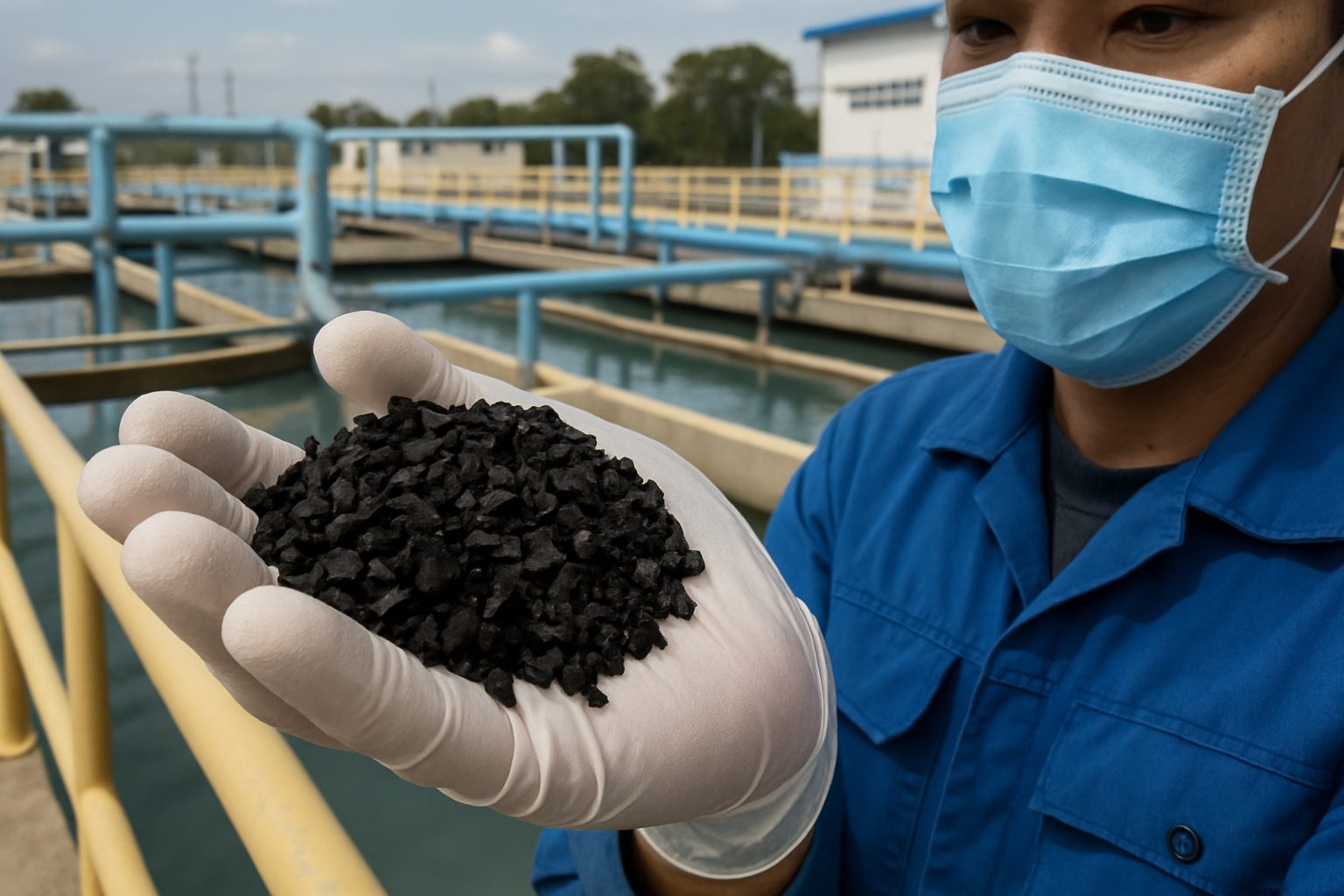
In addressing these challenges, activated carbon acts as a crucial ally. Its substantial adsorption capacity enables it to effectively capture unwanted contaminants, ensuring that water quality remains high even under increased demand. Additionally, activated carbon’s ability to remove disinfectant byproducts is invaluable in maintaining safe water standards.
To optimize the performance of activated carbon in water treatment during an influenza outbreak, industrial facilities should:
- Conduct regular assessments of water quality to adjust treatment processes as necessary.
- Ensure adequate supply and know-how for the deployment of activated carbon.
- Utilize technical guidance to select the most appropriate activated carbon products for specific contaminants.
- Train staff on the operating and monitoring of water treatment systems to handle fluctuations in demand adeptly.
Case Study: Influenza Outbreak and Water Treatment in Cavite
Cavite, like many parts of the Philippines, has experienced the pressures of influenza outbreaks firsthand. Industrial facilities within the region have had to double down on their water treatment efforts to prevent transmission and contamination. By integrating activated carbon into their treatment processes, these facilities have successfully maintained water quality while managing increased demand.
This proactive approach not only safeguards public health but also ensures compliance with health regulations, thus preventing potential legal issues or operational disruptions.
Learning From Experience
Richson’s Trading, through its CocoCARB brand, continues to supply high-quality coconut-shell activated carbon to facilities across the Philippines. By providing essential resources and technical support, CocoCARB has played a critical role in helping industries navigate the complexities of water treatment during health crises such as influenza outbreaks.
The Path Forward
As flu seasons become regular occurrences, industrial and commercial facilities must adopt resilient water treatment strategies. Activated carbon for water treatment offers a proven path to safeguarding water quality against the backdrop of any health emergency, including influenza outbreaks. Ensuring adequate preparation and resource allocation will position facilities to maintain operational stability while protecting public health.
For industries looking to enhance their water treatment systems with activated carbon, contact Richson’s Trading for expert guidance and high-quality samples is a crucial step. This collaborative approach will ensure that facilities in the Philippines remain equipped to tackle both current and future challenges in water treatment.